








 Smile to the camera!
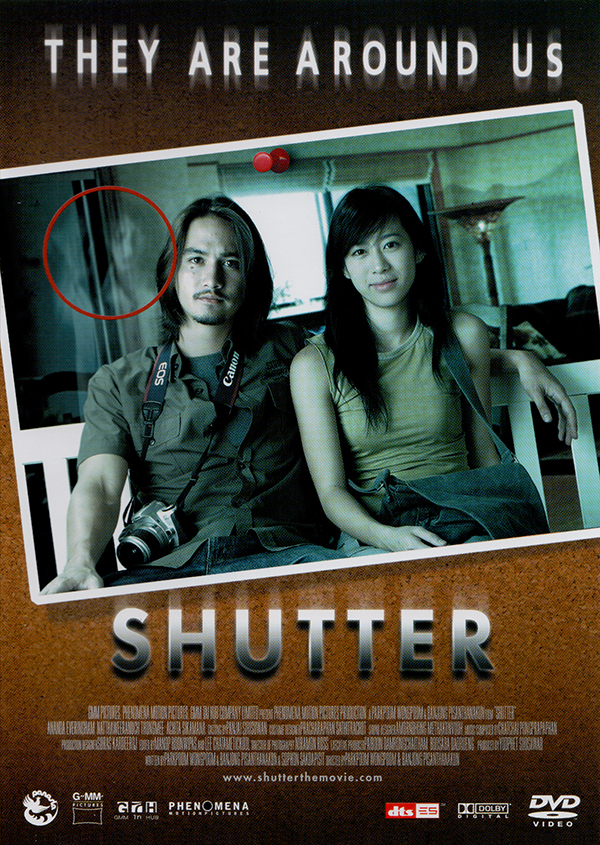
We follow the young Thai couple, Tun and Jane, as they are on their way home after spending an evening with some friends. Their existence gets turned upside down when they accidentally hit a woman on a dark road. While Jane wants to check on her as she was also the one being behind the wheel, Tun panics and orders Jane to stomp the pedal and just leave the woman behind. Jane is soon to struggle with guilt, night terrors and never seems to be able to smile again, while Tun does his best to forget the whole thing and move on with life. Dream on, bud.
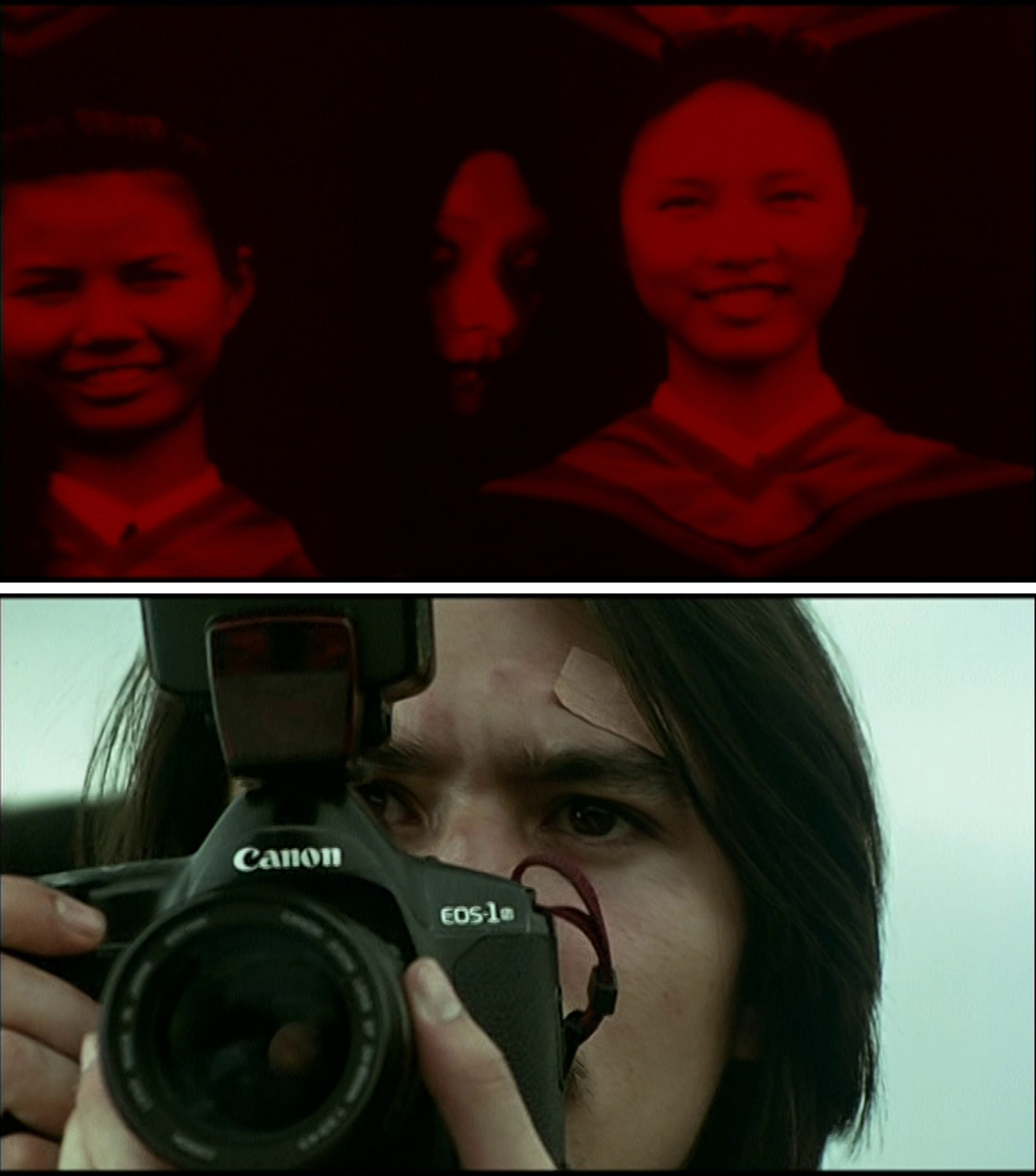
Tun is a freelance photographer and starts to see glimpses of a pale, creepy woman through the lens and eerie white shadows in his pictures which screams bad vibes. These are analog pictures, by the way, before the era of digital cameras took over. To get some answers other than “your camera is broken”, Tun and Jane speak to a photo expert who sells fake ghost photos to a glossy magazine. He also shows them an album which he claims is a collection of real shit, taken by polaroids and still images from security cameras, which is quite impossible to fake. Quick info for Gen Z; polaroid was a camera which gave instant physical pictures rolling out of the camera seconds after taking them. We see a collage of some creepy vintage photos, and some of them you might even recognize. I get a little nostalgic by especially seeing the classic image of The Grey Ghost Lady of the Willard Library, one of the first of its kind I was exposed to when I was hunting for this stuff in the darker corners of the web in the early 2000s, way before social media. Good old times.
All photos here are taken from the web and the film gives a credit at the end by addressing – The producers would like to thank in advance the owners of any spirit photographs or photo representations that were not properly credited for their use in this motion picture. –
Anyway, things get progressively worse and bleak for the couple as they get haunted with visions, more night terrors and more spooky stuff that appears in the photos. Tun develops a chronic neck pain while his friends from his schooldays mysteriously drop dead by jumping off buildings. Huh… As Jane starts her own little investigation, she stumbles upon some clues that expose a dark, disturbing past of their hit-and-run victim.
This is the debut film of the talented duo Banjong Pisanthanakun and Parkpoom Wongpoom (sorry if I butchered their names). The movie was released at the peak of the J-horror craze during the hot trend of displaying pale, skinny, scary Asian ghostly ladies with glitchy body movements with their long black hair obscuring their face followed by a series of jump scares. A gimmick that got more and more old to the level of almost parody until it fizzled out with bad sequels and remakes. It was easy to assume that Shutter was just another J-horror, even though this one is from Thailand. I wouldn’t go as far as saying that they reinvented the wheel here, but what makes this one stand out is the idea of the phenomenon of capturing ghosts on camera, a concept which has always intrigued me. It’s also a damn good horror flick which is still solid twenty years after its release, and one of the very few movies in the ghost film genre that still fills my heebie-jeebies meter scale up to ten.
Although there is a ghost lurking here, the film relies more on solving a mystery as the suspense and tension builds up to the maximum. The director duo has a great understanding of the more subtle ways to trigger the deepest primal fears of the audience by exposing them to the unknown, a pretty rare skill we don’t often see. James Wan with his two first Conjuring films, Scott Derrickson’s Sinister and Hideo Nakata’s Ringu are maybe the only ones than can match. As minimal as the effects are, the scares are probably the most inventive I’ve seen in the genre, which still slaps most of the similar and modern horror films to shame. The scene where Tun is alone in a photo studio where the lights turn off and his camera starts to flash on its own is one great example of how simple, yet effective Shutter is. A razor sharp sound design also does the trick and the fitting soundtrack during the opening credits already sets the tone. A modern classic.
The film has been remade not just one or two times, but actually three times: Sivi (2007) from India, which has been seen by hardly anyone, Click (2010), also from India, which looks more like a cheap version from Asylum, and the American Shutter (2008). I’ve only watched the last mentioned, which I don’t remember much of other than it gave me a good night’s sleep. And in order to not get confused, Shutter is also released with the undertitle The Original.
Directors: Banjong Pisanthanakun, Parkpoom Wongpoom
Writers: Banjong Pisanthanakun, Parkpoom Wongpoom, Sophon Sakdaphisit
Also known as: Shutter: The Original
Country & year: Thailand, 2004
Actors: Ananda Everingham, Natthaweeranuch Thongmee, Achita Sikamana, Unnop Chanpaibool, Titikarn Tongprasearth, Sivagorn Muttamara, Chachchaya Chalemphol, Kachormsak Naruepatr
IMDb: www.imdb.com/title/tt0440803/



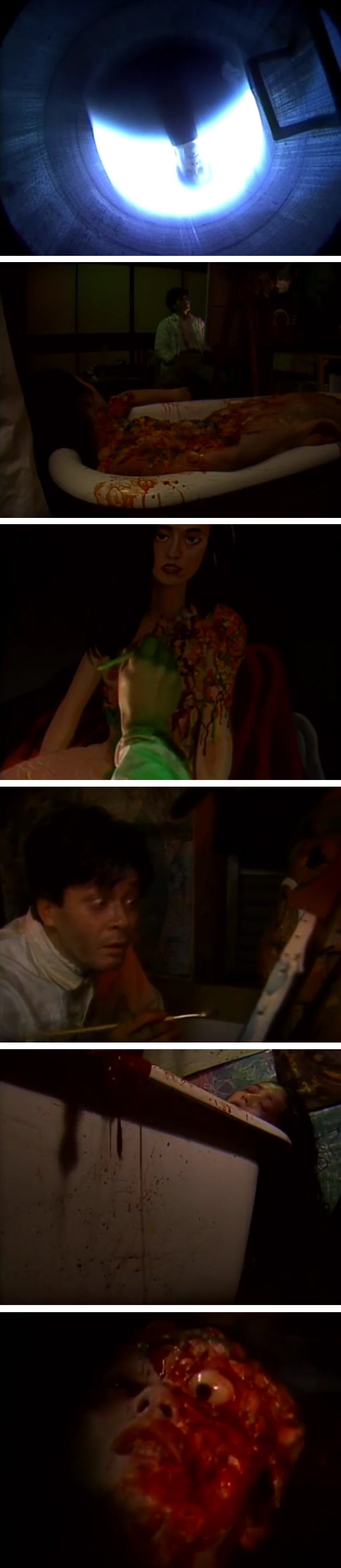



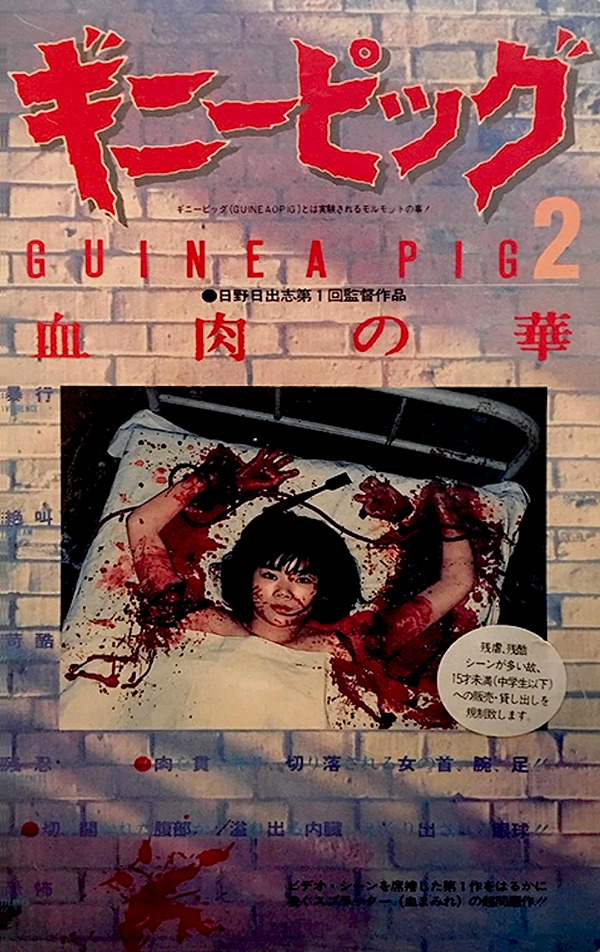
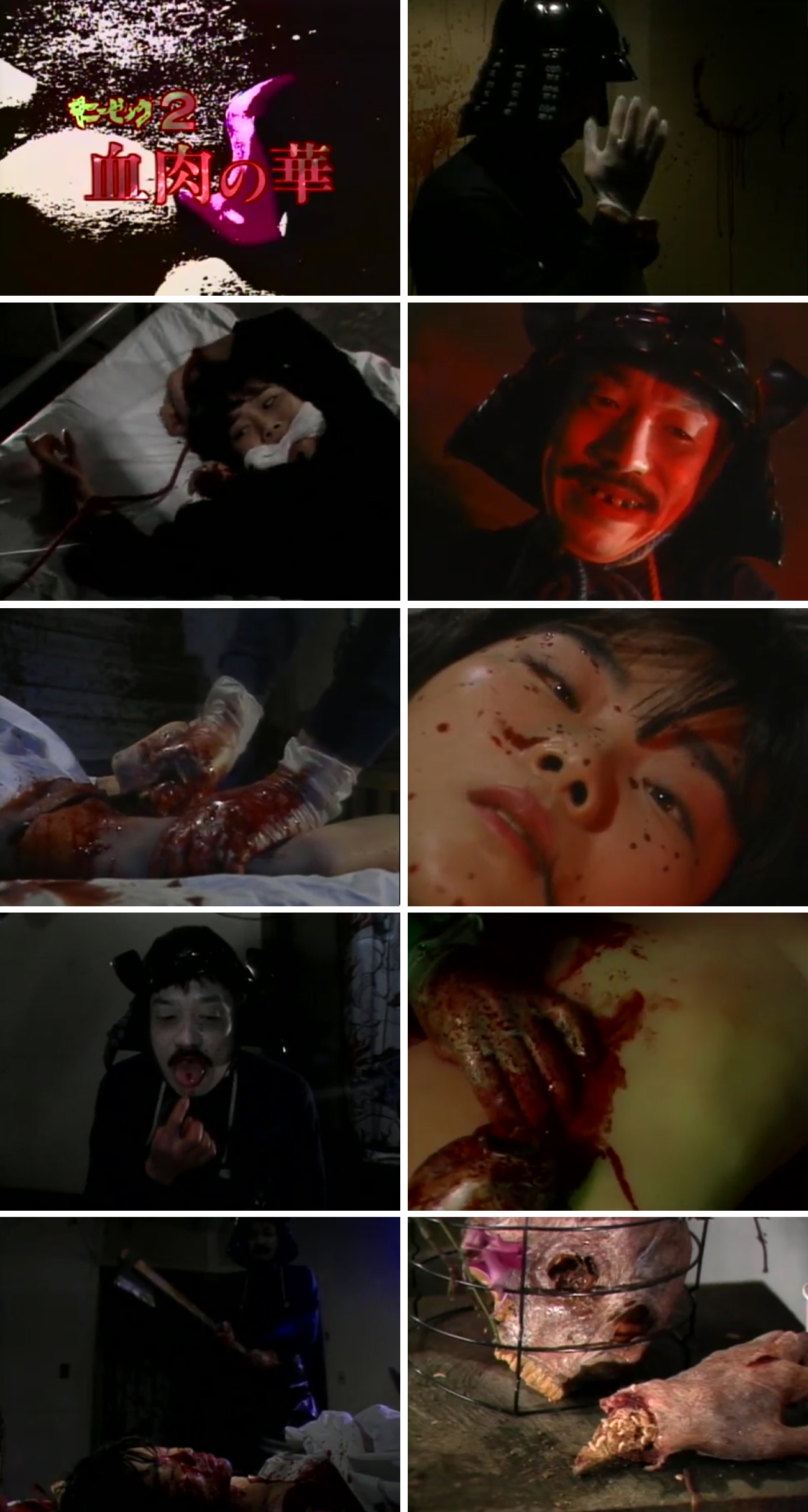





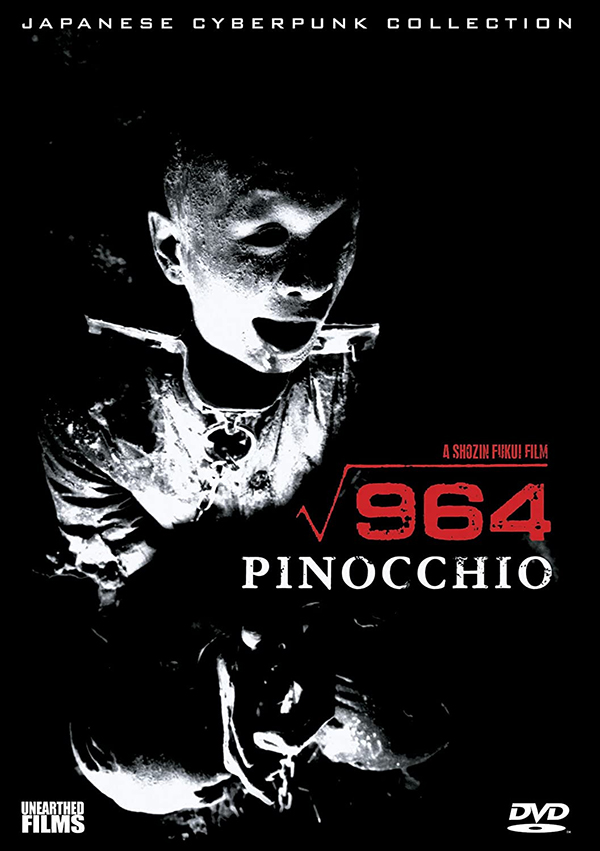

 Seo-yeon is a 28 year old woman who has traveled to visit her sick mother in the rural area where she grew up. Finding that she has lost her cellphone, she goes to her rundown childhood home where she finds an old cordless phone. Soon, she starts receiving calls from this phone, where a woman claims she is being tortured by her own mother. Thinking of it as someone who have just dialed the wrong number, Seo-yeon decides to investigate the matter when more calls from this mysterious woman comes through the old phone. She finds out that the woman making the calls, Young-sook, lived in the same house in 1999…which is also the year Young-sook claims to live in when making the calls. Seo-yeon lives in 2019, which means there’s a 20 year timegap between her and the caller. The two women make contact through the phone calls, and starts exchanging information about the time they live in and their own lives. Seo-yeon explains that when she was a child, her father died in a fire. Young-sook is then able to prevent Seo-yeon’s father from dying in that accident, and Seo-yeon’s life immediately changes: both of her parents are now suddenly there and healthy, and their house is no longer in the rundown state it used to be in. Happy about the turn of events, Seo-yeon starts searching for Young-sook in order to find out what kind of life she is living these days, in the present…only to find an old newspaper article about how Young-sook was killed by her mother during an exorcism. Seo-yeon tries to warn Young-sook about what is going to happen, and by doing so, unleashes an unexpected chain of events.



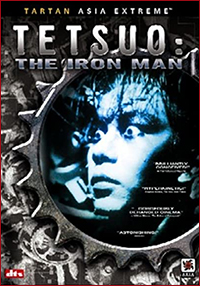 How to even start with this movie…Uhm, well…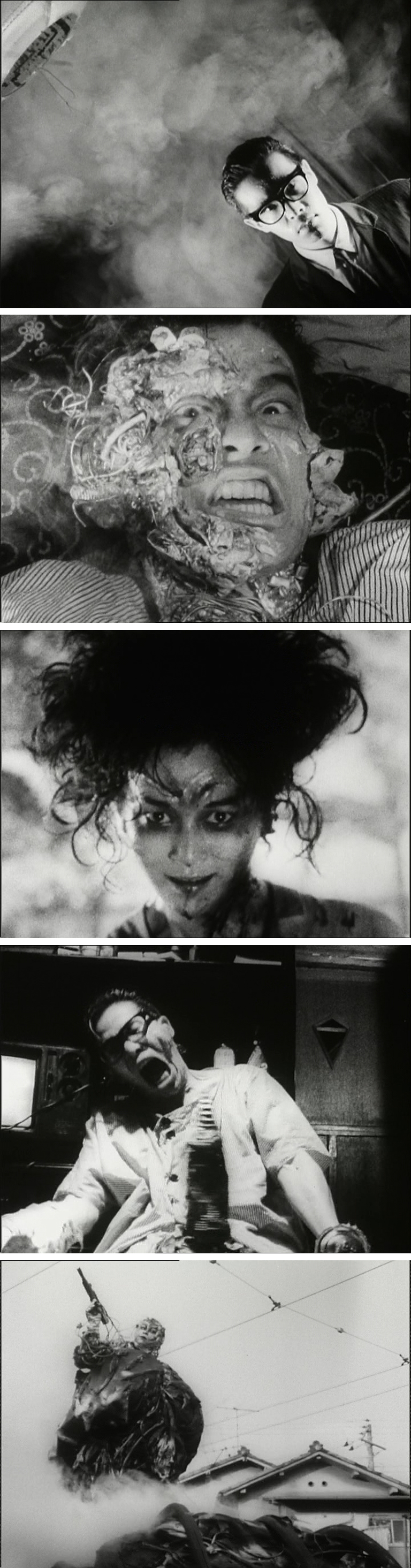
 Hee-yeon and her husband moves to the countryside together with their daughter and the husband’s mother, who is suffering from dementia. Their son, Jun-seo, disappeared five years ago and Hee-yeon is struggling with accepting the fact that he might be dead. One day, she finds a mute little girl in the forest nearby, and decides to take her home. Soon, the little girl starts speaking and claims that her name is the same as Hee-yeon’s daughter, and things start to make the little girl’s intentions questionable.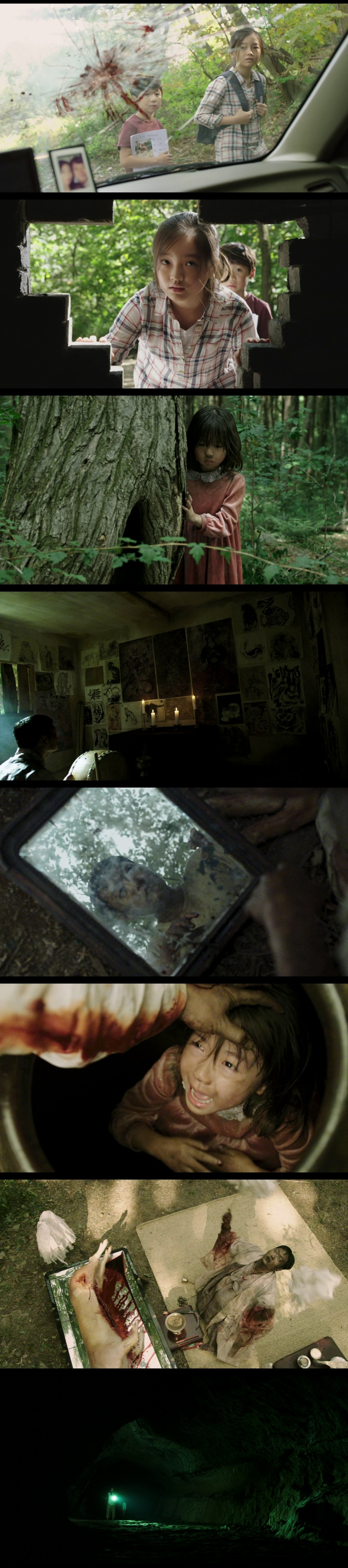
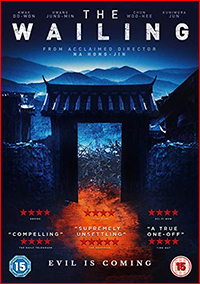 Jong-Goo is a police officer that lives a quiet life in a little village with his wife and daughter. One day he is called to the scene of a gruesome multiple murder case, where a family member of the murdered people is covered in blood from the victims. His skin is covered in strange boils, and he appears to be in a state of stupor. Soon, more incidents similar to this occur all over the little village, and some of the villagers start to blame a newcomer to the area: a Japanese man (played by Jun Kunimura, known for his roles in “Ichi The Killer”, “Audition” and “Kill Bill”) who’s taken residence in the woods. Jong-Goo starts a battle against time to figure out what is happening, as his daughter also starts showing the symptoms.